What Happens After We Remove an Animal? Relocation Laws, Rehabilitation, and Sanctuary Partnerships
Florida regulates what can legally happen to a trapped nuisance animal, and it is more specific than most homeowners expect.
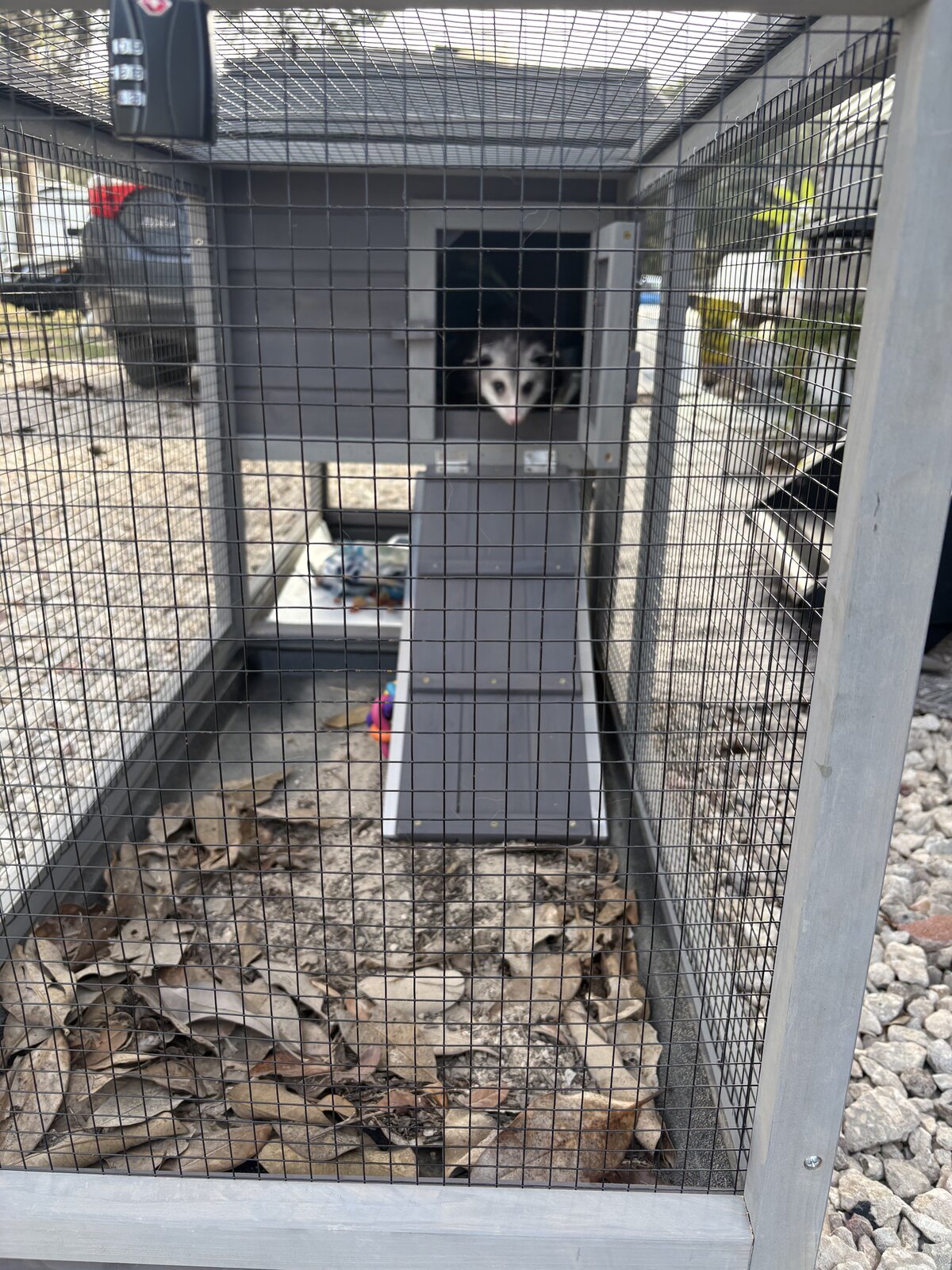
The legal framework
Under FWC Rule 68A-9.010, most live-captured nuisance wildlife in Florida is legally handled one of two ways: released on the same contiguous property where it was caught, or transported for humane euthanasia. Releasing an animal elsewhere requires written permission from that landowner, a minimum of 40 contiguous acres, and staying within the county of capture. Relocating wildlife to a new area “for its own good” without meeting those conditions is not legal, regardless of good intentions.
What this means in practice
For most adult nuisance wildlife, our options are release on the same property (when appropriate for the situation and species) or humane euthanasia consistent with FWC standards. A general release to a random wooded area miles away, however well-intentioned it sounds, is not a legal option under Florida law.
Where Noah’s Ark Sanctuary fits in
Noah’s Ark Wildlife Removal is wholly owned by Noah’s Ark Sanctuary, Inc. That relationship matters most for orphaned or injured wildlife, young animals separated from a den during an exclusion, or an animal that is clearly hurt, where a licensed rehabilitator is the right next step rather than standard nuisance-wildlife handling. It is a different situation with a different legal pathway than routine adult nuisance removal, and we handle each one correctly.
Regulatory note
Under FWC Rule 68A-9.010, most live-captured nuisance wildlife in Florida is legally handled one of two ways: released on the same contiguous property where it was caught, or transported for humane euthanasia. Releasing an animal elsewhere requires written permission from that landowner, a minimum of 40 contiguous acres, and staying within the county of capture. Relocating wildlife to a new area “for its own good” without meeting those conditions is not legal, regardless of good intentions. Source: Florida Fish and Wildlife Conservation Commission. Rules can change; call FWC or check myfwc.com for the current version before relying on this for a specific situation.