6 Venomous Snakes of Florida: Safety Tips
Florida is home to around 44 native snake species, and according to FWC, only six of them are venomous.
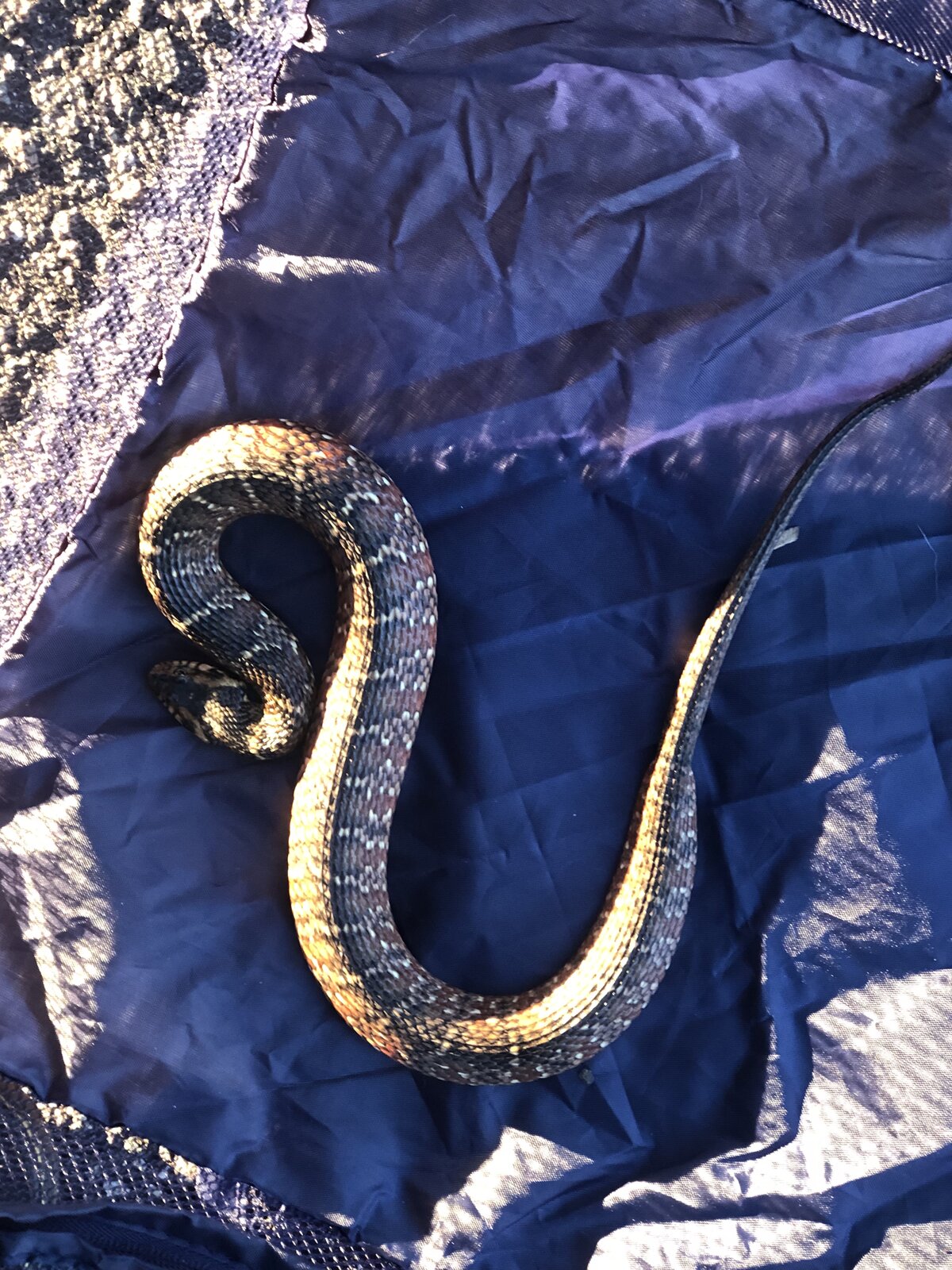
The six species
FWC recognizes six venomous snake species native to Florida: the eastern diamondback rattlesnake, timber (canebrake) rattlesnake, dusky pygmy rattlesnake, southern copperhead, cottonmouth (water moccasin), and eastern coral snake. All other native Florida snakes, roughly 38 additional species, are non-venomous.
A quick, well-known way to tell a venomous coral snake from harmless lookalikes like the scarlet kingsnake: on a coral snake, the red bands touch yellow bands (“red touches yellow, kill a fellow”); on the lookalikes, red touches black instead. The safest identification is still from a distance. Want the full illustrated guide? Download the Florida Snake Guide (PDF).
What to do if you see one
Keep your distance, keep kids and pets away, and do not attempt to identify it up close or move it with a tool. Most snake bites happen when someone tries to handle or kill the snake rather than simply leaving it alone. If it is inside a structure, garage, or living space, that is a same-day call for us.
Reducing the odds around your home
Snakes follow food (rodents, frogs, insects) and cover (woodpiles, dense ground cover, gaps under structures). Keeping firewood off the ground, trimming back heavy ground cover near the foundation, and sealing gaps under sheds and porches removes a lot of the habitat that draws snakes in close to a home.